Hawaii Market Studies
Client
Multifamily Asset Managers (MAM)
Skills
Appraisal, Market Study – Affordable Housing
Project Description
Clarendon has been selected by Multifamily Asset Managers (MAM) to provide Reviews of HUD Section 8 Rent Comparability Studies (RCS) for the State of Hawaii.
Section 8 laws and administrative procedures require HUD to obtain and review Rent Comparability Studies (RCS) when initially renewing most Section 8 contracts and when processing some rent increase using the Annual Adjustment Factors. The market rents resulting from these studies determine the rents owners can receive and, hence greatly influence whether an owner will renew and continue providing assisted housing or opt-out of the Section 8 contract and convert to unassisted, market rent housing. The market rents set in these studies also drive HUD's outlays for Section 8 project-based subsidy.
For more information on the market rent threshold test, read our article HUD Introduces New 150% Mandatory Market Rent Threshold Test.
Market Overview
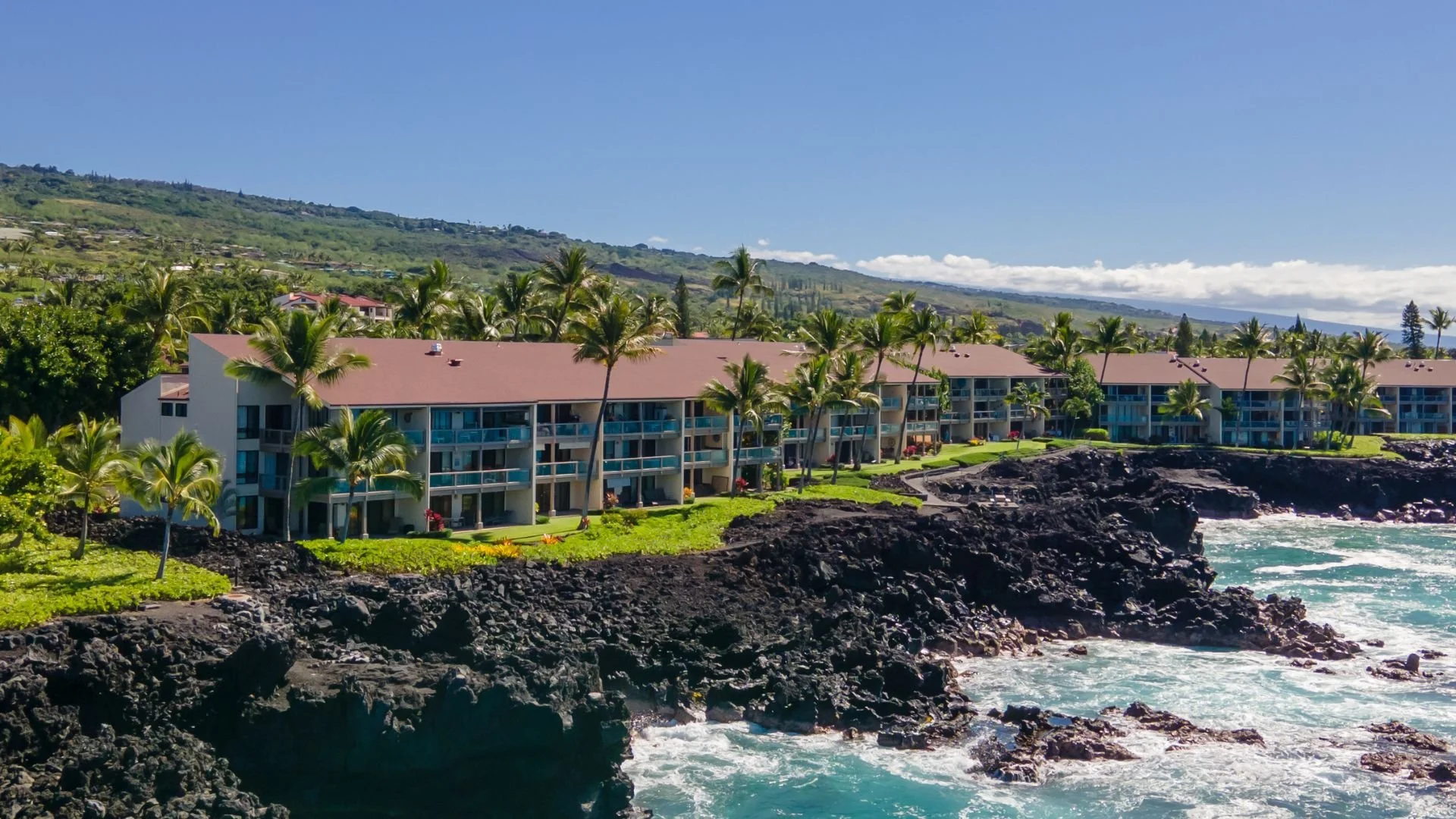
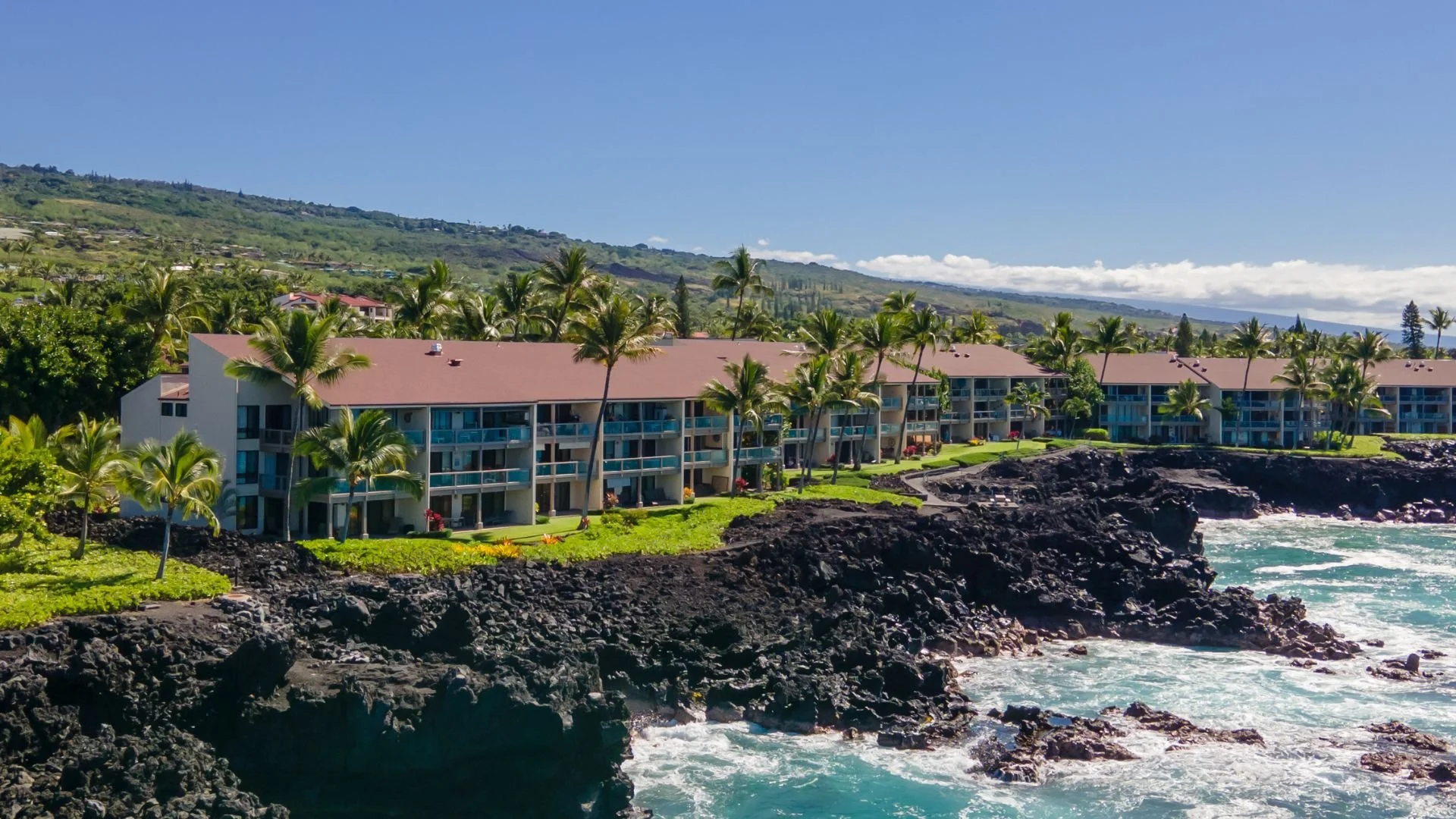
Hawaii represents one of the most unique and challenging multifamily markets in the United States, characterized by extreme housing costs, geographic isolation, and limited developable land across its island geography. The state's affordable housing market operates under constraints unlike any other mainland market, creating significant barriers for working families and vulnerable populations seeking stable housing.
Construction and operating costs in Hawaii run substantially above mainland averages due to shipping requirements, limited material availability, and specialized labor needs. Land scarcity has intensified competition for developable sites and made new affordable housing development financially challenging without substantial public subsidy.
The Hawaii multifamily market has experienced sustained pressure from short-term rental conversions, which have removed inventory from the long-term rental market. This trend, combined with limited new construction pipelines and elevated operating costs, has created persistent upward pressure on market rents across island markets. Regulatory efforts to preserve long-term housing stock have begun to address these challenges in some areas, while the concentration of new development in the affordable housing sector reflects ongoing public-private commitment to workforce housing solutions.
Property Details
Occupancy: Senior and Family
Locations: Urban, Suburban, Rural
Development Size : 20 -300 Units
Property Type: High and Mid-rise, Garden, Townhouse, Walk-up
Unit Mix: 2-4 Types per property